
Q4 brings the final payroll runs, benefit renewals, employee record reviews, and tax preparation into one crowded calendar as part of any year end payroll checklist 2026 effort. A small error involving an address, Social Security number, deduction, or taxable benefit can become a January correction when the team is already focused on the new year. Pensacola employers should begin before the holiday rush. AllStaff’s employee insurance options include health-related resources and supplemental benefits that may need to be coordinated with employee elections and payroll deductions.
Why Pensacola Employers Should Start Year-End Payroll Early
Year-end payroll is not one deadline. It is a sequence involving employee information, payroll corrections, fringe benefits, deductions, contractor records, tax deposits, final pay runs, benefit elections, annual forms, and new-year system changes. Starting in September or October gives the business time to correct records before the final payroll rather than issuing Forms W-2c or reopening payroll after year-end.
Payroll Closeout and Open Enrollment Are Connected
Benefit elections can change employee deductions, employer contributions, taxable benefits, Section 125 elections, retirement deferrals, and effective dates. Payroll and benefits administrators should agree on the final enrollment file, deduction start date, and process for late corrections well before the last payroll of the year.
Year End Payroll Checklist 2026

Work through this sequence with a designated owner and target date for every task.
1. Verify Employee Names, Addresses, and Social Security Numbers. Compare employee records with Form W-4, Social Security records, and approved employee change forms. Confirm legal names, current mailing addresses, Social Security numbers, work locations, and employment status. Employees should submit corrections through a secure process rather than ordinary email.
2. Review Employee and Contractor Classifications. Confirm that workers treated as independent contractors meet the applicable classification standards. A contract or Form W-9 does not determine worker status by itself. Resolve classification questions before preparing Forms W-2 or 1099-NEC.
3. Collect Contractor Forms and Payment Records. Confirm that required Forms W-9 are complete and that contractor names and taxpayer identification numbers match payment records. The IRS currently states that the general Form 1099 reporting threshold for qualifying payments made in 2026 is $2,000. Verify the final instructions and applicable exceptions before filing.
4. Reconcile Every 2026 Payroll. Compare payroll registers, general ledger accounts, tax liabilities, tax deposits, bank withdrawals, employee deductions, employer contributions, and quarterly filings. Investigate unexplained differences before the final payroll run.
5. Add Taxable Fringe Benefits. Review company vehicles, group-term life insurance above applicable limits, personal use of company property, bonuses, gift cards, moving assistance, third-party sick pay, and other benefits that may affect taxable wages. Use IRS Publication 15-B and qualified advisers to determine the correct treatment.
6. Confirm Final Bonuses, Commissions, and Reimbursements. Document the payment date, amount, withholding treatment, and payroll period for bonuses or commissions. Review reimbursements to determine whether they were handled through an accountable plan or may need to be included in taxable wages.
7. Review Benefit and Retirement Deductions. Confirm that health, dental, vision, life, disability, supplemental insurance, retirement, garnishment, and other deductions agree with approved elections and plan limits. Investigate negative balances, missed deductions, and deductions scheduled to stop at year-end.
8. Complete the Final 2026 Payroll Run. Confirm pay rates, hours, overtime, paid leave, bonuses, commissions, deductions, reimbursements, terminations, and funding before approval. Allow extra processing time when bank holidays affect direct deposit.
9. Reconcile Quarterly and Annual Payroll Tax Returns. Review Forms 941, 940, and applicable state returns against payroll records and tax deposits. Confirm that totals reconcile before Forms W-2 and W-3 are finalized. Tax deposit schedules and filing deadlines are separate; making a deposit does not replace filing the required return.
10. Prepare and Review Forms W-2 and W-3. Review employee names, Social Security numbers, wages, tips, federal and state withholding, Social Security and Medicare wages, retirement indicators, dependent care, and applicable benefit reporting. For 2026 Forms W-2 and W-3, the IRS lists February 1, 2027, as the filing deadline because January 31 falls on a Sunday.
11. Prepare Applicable Forms 1099. Determine which vendors or contractors require Form 1099-NEC or another information return. Do not assume every vendor receives the same form. Form 1099-NEC is generally due January 31, with the next-business-day rule applying when the date falls on a weekend or legal holiday. Verify the final 2026 instructions before publication and filing.
12. Set Up 2027 Payroll. Update tax tables, wage bases, benefit deductions, retirement limits, pay calendars, paid-leave balances, employee work locations, state accounts, and approved compensation changes. Test the first payroll before submission rather than discovering configuration problems on payday.
2026 Open Enrollment Dates Pensacola Employers Should Know
Open enrollment can refer to employer-sponsored benefits or individual Marketplace coverage. Those are not the same enrollment process, and confusing the two is one of the most common year-end mistakes.
Employer-Sponsored Plan Enrollment Dates
An employer-sponsored plan’s enrollment window is established by the employer, plan administrator, insurer, and plan documents. There is no universal federal November-to-January window that applies to every workplace plan. Employers should confirm renewal dates, election deadlines, effective dates, contribution changes, and required notices with the plan administrator.
HealthCare.gov Marketplace Enrollment for 2027 Coverage
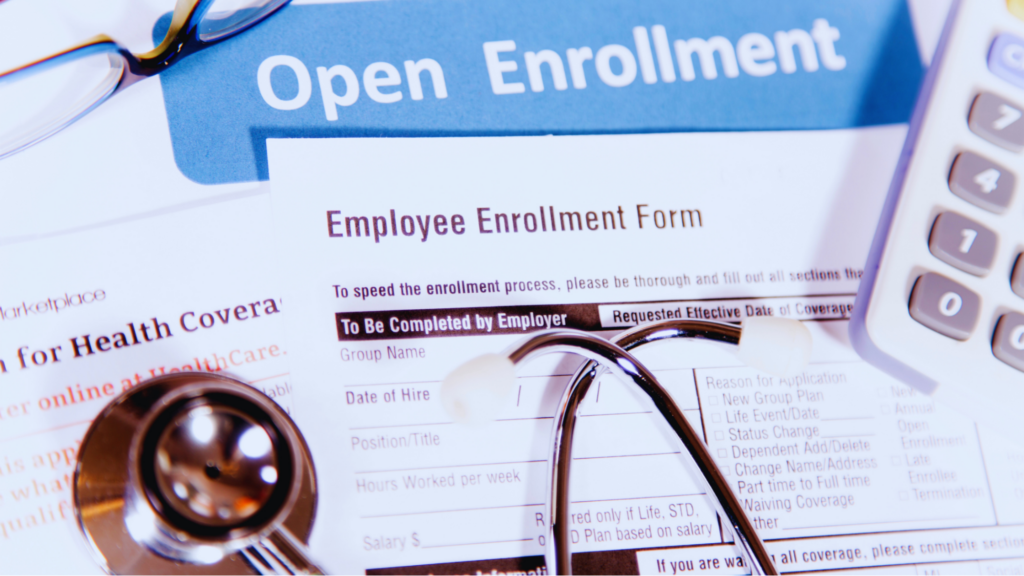
HealthCare.gov’s published annual calendar lists November 1, 2026 as the start of Marketplace enrollment for the coming year, December 15, 2026 as the general deadline for coverage beginning January 1, 2027, and January 15, 2027 as the general Marketplace enrollment deadline. Coverage generally begins February 1, 2027 for selections made from December 16 through January 15. Verify these dates again immediately before publication because federal guidance can change.
Special Enrollment Periods
Employees may qualify for special enrollment after certain events, such as marriage, birth, adoption, relocation, or loss of other coverage. Job-based plans and Marketplace plans can follow different rules, documentation requirements, and timelines.
Review Employee Benefits Before Renewal
Compare Plan Cost and Employee Use
Review renewal premiums, employer contributions, employee deductions, deductibles, copayments, networks, prescription coverage, and employee questions. Do not evaluate benefits only by the employer’s monthly premium.
Confirm Eligibility and Effective Dates
Review full-time status, waiting periods, dependent eligibility, new hires, terminations, employees on leave, and employees who changed work schedules. Coordinate benefit eligibility with payroll and employee records.
Prepare Employee Communications
Provide plan summaries, costs, changes, deadlines, enrollment instructions, contacts, and consequences of taking no action. Avoid technical benefit language without a plain-language explanation.
Confirm Payroll Deduction Changes
Send the approved enrollment file to payroll using a secure process. Include coverage tier, employee contribution, pretax or post-tax treatment, effective date, and termination date when applicable. Review the first 2027 payroll for deduction accuracy.
2027 Year-End Filing Deadlines at a Glance
| Task | General Due Date for 2026 Records | Important Note |
| Furnish 2026 Forms W-2 to employees | February 1, 2027 | January 31 falls on a Sunday |
| File 2026 Forms W-2 and W-3 with SSA | February 1, 2027 | Applies to paper and electronic filing |
| Furnish and file Form 1099-NEC | Generally February 1, 2027 | Confirm final form instructions |
| File Q4 2026 Form 941 | Generally February 1, 2027 | Additional time may apply when deposits were timely and complete |
| File 2026 Form 940 | Generally February 1, 2027 | Deposit rules depend on liability |
| HealthCare.gov enrollment begins | November 1, 2026 | For 2027 Marketplace coverage |
| Marketplace coverage selection deadline | December 15, 2026 | For coverage effective January 1 |
| HealthCare.gov enrollment ends | January 15, 2027 | Special enrollment may be available afterward |
State deadlines, plan deadlines, deposit requirements, special rules, and disaster relief can change this calendar, so confirm current dates before finalizing your timeline.
Common Year End Payroll Mistakes
Waiting Until the Final Payroll to Review Data
Waiting creates rushed corrections involving wages, benefits, deductions, addresses, Social Security numbers, and state assignments right when the team has the least time to fix them.
Confusing W-2 and 1099 Reporting
Employee and contractor classification must be determined from the working relationship, not convenience or the form the business prefers to issue.
Leaving Taxable Benefits Out of Payroll
Waiting until after Forms W-2 are prepared may require corrected payroll records, amended tax returns, and Forms W-2c.
Assuming Every Open Enrollment Uses Marketplace Dates
Employer-sponsored plan deadlines are set by the plan and may occur before, during, or after the Marketplace window.
Missing Electronic Filing Requirements
Employers generally must file electronically when they meet the IRS threshold based on the combined number of applicable information returns. The current federal threshold is generally 10 or more information returns.
How AllStaff Supports Year-End Payroll and Enrollment
AllStaff processes payroll, federal and state tax deposits and returns, payroll reports, Forms W-2 and W-3, employee onboarding, benefit deductions, paid-leave tracking, and related year-end administration within the client’s service arrangement. AllStaff also provides benefits management support for health, life, dental, vision, prescription, Section 125, retirement, and supplemental programs.
What AllStaff Clients Should Submit Early
Send along employee name and address changes, Social Security number corrections, final bonuses and commissions, taxable fringe benefits, third-party sick pay, benefit election changes, retirement deduction changes, employee terminations, contractor records when included in the service, and 2027 pay-rate and schedule changes.
Frequently Asked Questions About 2026 Year-End Payroll
When do W-2s need to be sent out?
Employers must generally furnish Forms W-2 to employees and file Forms W-2 and W-3 with the Social Security Administration by January 31. Because January 31, 2027 falls on a Sunday, the IRS instructions list February 1, 2027 as the deadline for reporting 2026 wages.
What’s the deadline for ACA open enrollment in 2026?
HealthCare.gov Marketplace enrollment for 2027 coverage begins November 1, 2026. December 15 is generally the deadline for coverage beginning January 1, and Marketplace enrollment generally ends January 15, 2027. Employer-sponsored plans set their own enrollment periods, so employees must follow the dates provided by their employer or plan administrator.
What happens if I miss a payroll tax deadline?
A missed payroll tax deposit or filing can lead to penalties, interest, notices, and additional correction work. The consequences depend on the form, amount, lateness, deposit schedule, filing history, and available relief. File or pay promptly, preserve confirmation records, and obtain qualified assistance rather than waiting for another notice.
Can I switch payroll providers mid-year-end?
Yes, but a fourth-quarter conversion requires careful transfer of year-to-date wages, taxes, deductions, employee records, state accounts, benefit balances, garnishments, and filing responsibilities. Define which provider will complete each return and year-end form. Run parallel reports and reconcile totals before approving the first payroll or issuing Forms W-2.
Does AllStaff Payroll help with open enrollment paperwork?
AllStaff provides benefits management and payroll deduction support for participating employer plans, including health, life, dental, vision, prescription, Section 125, retirement, and supplemental options. Exact enrollment services depend on the employer’s plans and agreement. Contact AllStaff early to confirm responsibilities, file formats, deadlines, employee communications, and payroll deduction timing.
What employee information should I verify before year-end payroll?
Verify each employee’s legal name, Social Security number, mailing address, work state, tax withholding, pay rate, employment status, retirement indicators, benefit deductions, paid-leave balances, taxable fringe benefits, and year-to-date wages. Submit corrections securely before the final payroll so annual forms can be prepared from reconciled records.
Close out 2026 with confidence. Reach out today.
Close 2026 Without the January Scramble
A reliable year-end process begins before the final payroll. Verify employee data, reconcile taxes, record taxable benefits, confirm deductions, review contractor payments, prepare annual forms, and test 2027 payroll settings. Keep employer-plan enrollment dates separate from the HealthCare.gov Marketplace calendar. If workers’ compensation is also due for review, use the Florida workers’ compensation guide for Pensacola employers. Then contact AllStaff Payroll Services before the Q4 rush to build a practical payroll and benefits timeline for your business.